Dehradun’s Police Headquarters witnessed a major security breach on Friday when Congress workers, protesting the deteriorating law and order situation, managed to penetrate multiple layers of security and reach the main gates. The demonstration, spearheaded by State President Ganesh Godiyal, Chakrata MLA Pritam Singh, and former Cabinet Minister Harak Singh Rawat, was meant to be contained well before reaching the sensitive premises—but that plan spectacularly backfired.
When Barricades Weren’t Enough
Police had anticipated the protest march from Congress Bhavan and positioned barricades at strategic points along the route to PHQ. The plan was straightforward: stop the procession early, maintain distance from headquarters, avoid confrontation. But somewhere between planning and execution, things went sideways.
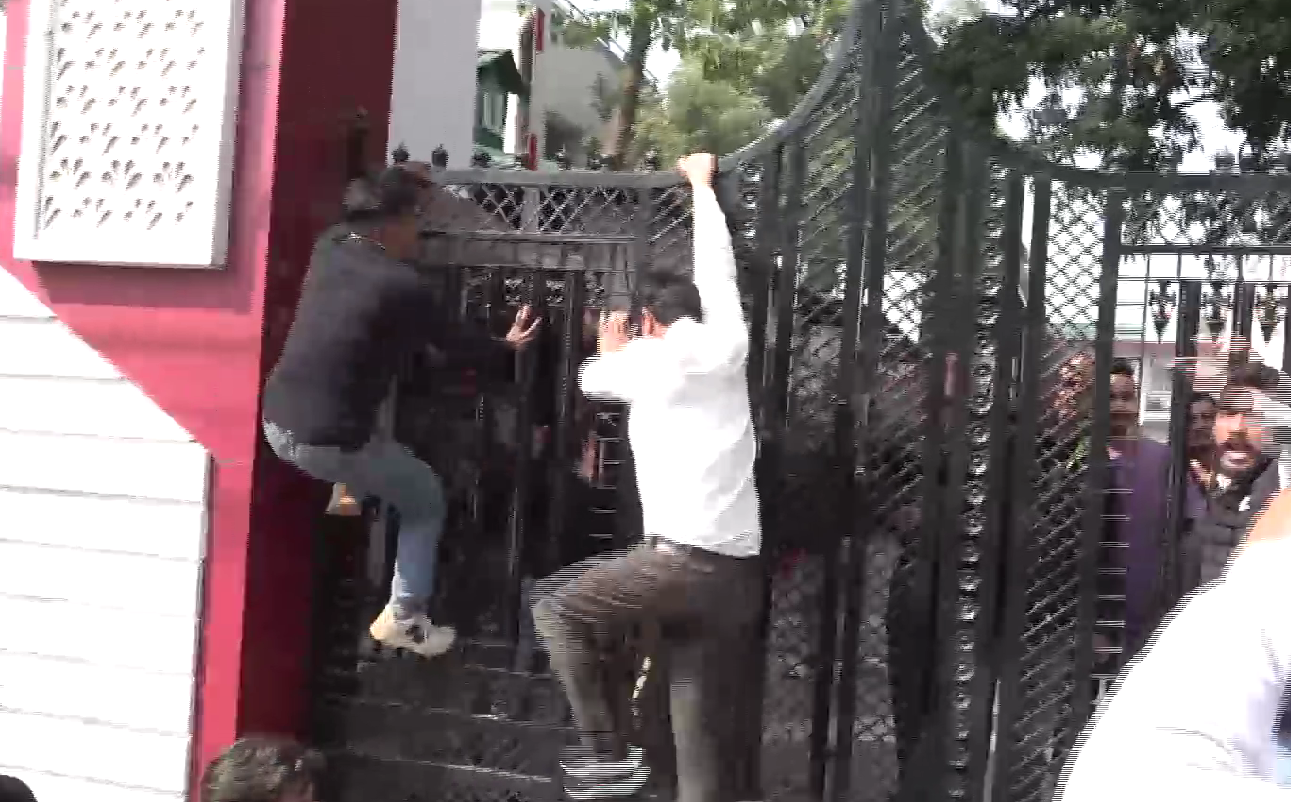
A group of savvy Congress workers simply outmaneuvered the security arrangements. They slipped through gaps in the cordon and made it all the way to the PHQ entrance. What happened next was pure political theater
protesters sat down right at the gates, some even scaled the headquarters’ entrance gate itself, while police officers watched in disbelief.
The response was chaotic. Officers rushed to evict the protesters, leading to tense face-offs. Verbal spats quickly turned physical, with both sides pushing and jostling as police attempted to clear the area. It wasn’t the image of control and authority the force would want to project.
A Pattern of Intelligence Breakdown
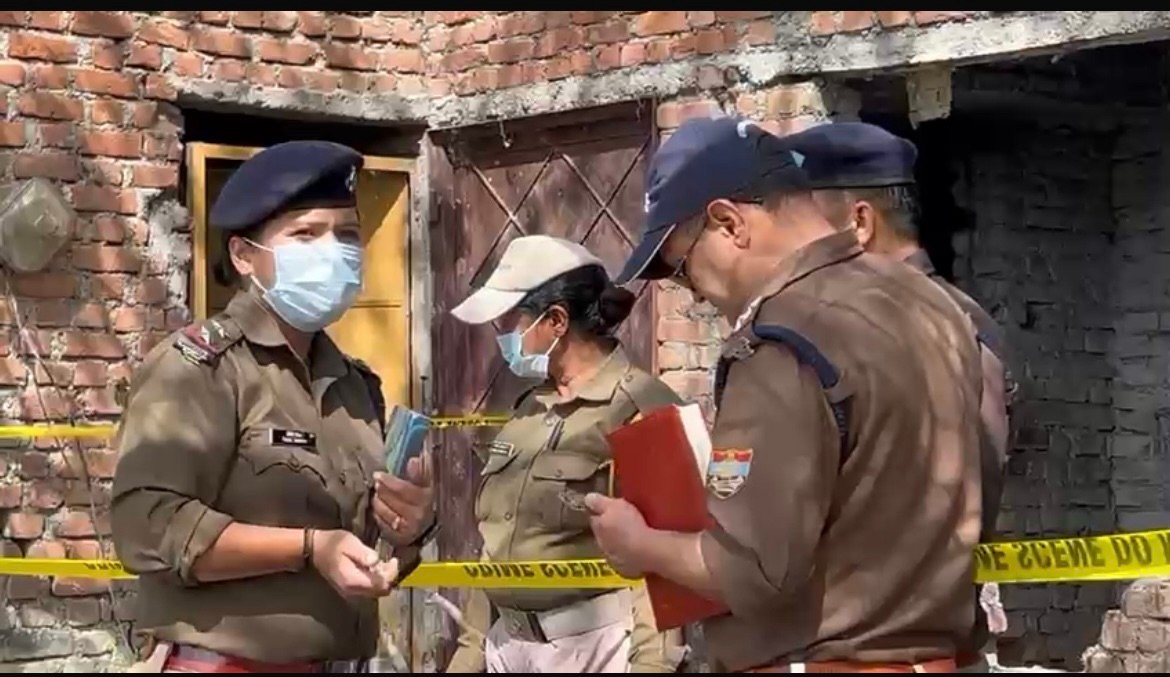
This embarrassment comes at the worst possible time. Dehradun has been reeling from a series of brutal murders—three killings in just 11 days have shattered the city’s reputation as a peaceful hill station. Each incident has raised uncomfortable questions about police intelligence and response capabilities.
Now this. If a group of political activists can waltz past security and reach one of the most guarded locations in the state, what does that say about the system’s ability to track and stop actual criminals? The answer is troubling.
This isn’t just about a failed barricade or a few officers looking the other way. It points to fundamental weaknesses in intelligence gathering, threat assessment, and operational coordination. When your intelligence apparatus can’t even anticipate the movement of a publicly announced protest march, how can it be expected to stay ahead of organized crime?
Change of Guard—But Will It Change Anything?
The government has responded by shuffling the deck. SSP Ajay Singh has been moved out of Dehradun and reassigned to the Special Task Force. Taking his place is Pramendra Dobhal, previously posted in Haridwar. On paper, Dobhal brings experience and a track record. In practice, he’s inheriting a mess.
Dehradun’s criminals are operating with shocking boldness—murders in broad daylight, in upscale neighborhoods, with apparent disregard for consequences. The intelligence network that should be their biggest threat seems, frankly, asleep. Public trust has eroded. Fear is replacing the calm that once defined this city.
Dobhal’s challenge isn’t just catching criminals. He needs to rebuild an intelligence system that’s clearly broken, restore confidence in a demoralized force, and send a message that lawlessness won’t be tolerated. That’s a tall order, and the clock is ticking.
The Bigger Picture
Here’s what Friday’s incident really reveals: systemic failure. When protesters can outsmart your security setup, when murders happen with alarming frequency, when the public questions whether the police are even paying attention—you’re not dealing with isolated problems. You’re dealing with institutional collapse.
Dehradun deserves better. This city, nestled in the Himalayas and known for its serenity, shouldn’t be making headlines for crime and security failures
What’s needed is a complete overhaul—better intelligence networks, improved coordination, accountability for failures, and leadership that doesn’t just react to crises but prevents them. Until that happens, both criminals and Congress workers alike will keep finding ways to expose just how vulnerable the system really is.
The question now isn’t whether Pramendra Dobhal can make a difference. It’s whether the institution he’s leading is ready to make the hard changes necessary to regain control. Time will tell, but Dehradun can’t afford to wait much longer.