
Report: Alok Semwal | Dehradun
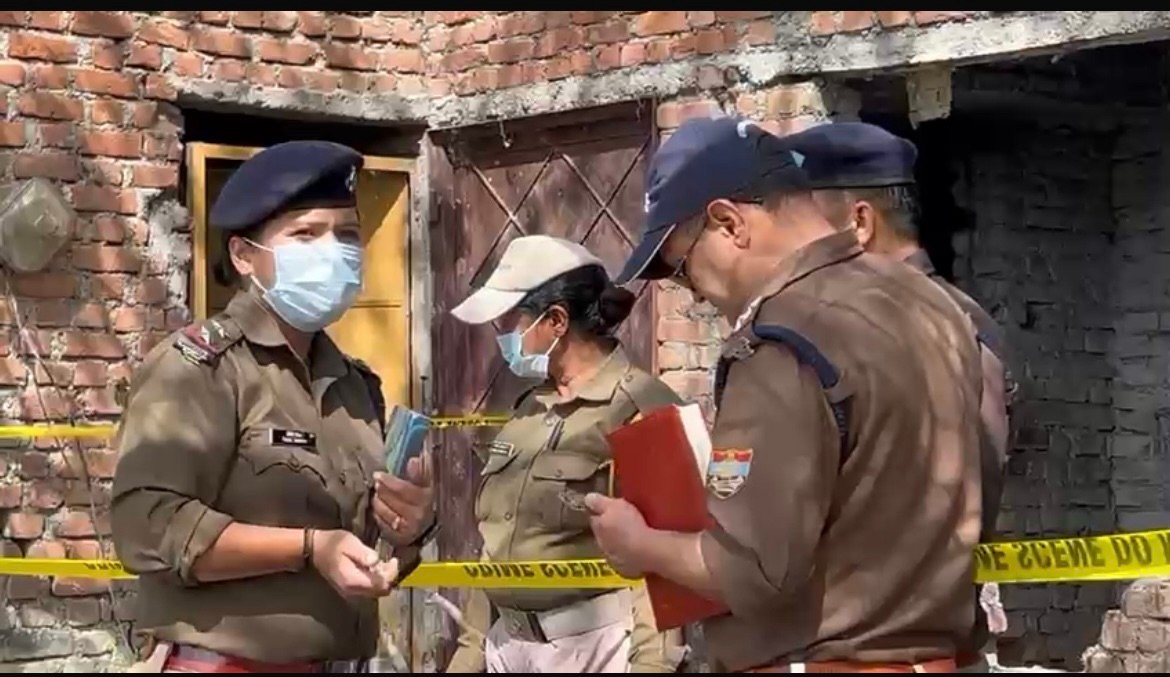
It was supposed to be just another afternoon in Chunabhatta. But when locals noticed something was wrong inside a crumbling, abandoned house near Sahasthadhara Crossing, the area was thrown into shock. Inside the ruins lay the body of a woman, estimated to be around 35 years old. Police and a forensic team were called in, the scene was combed for evidence, and the body was dispatched for post-mortem examination.
Three Days. No Word. No Warning.
The family had spent three anxious days looking for her — knocking on doors, making calls, hoping she had simply wandered off and would return. She never did. Back home, her husband was managing as best he could, ferrying passengers in his auto-rickshaw to keep the household going. And somewhere in that same house, a child barely three or four years old was waiting for a mother who would not come back.
A Battle She Could Not Win
Those who knew her say the addiction had taken hold long before anyone realized how serious it had become. Smack had quietly hollowed out her life. Her family refused to give up — they sat with her, argued with her, begged her to stop, and eventually got her admitted to a de-addiction centre. For a while after she came home, it looked like the worst was behind them. She seemed steadier. Calmer. But the pull of the drug proved stronger than the progress, and before long she had slipped back entirely.
When investigators examined the body, they found marks along her arms consistent with repeated injection use — pointing to a habit far deeper than her family may have known. A drug overdose is one theory on the table. But there is a harder question that cannot be ignored: she also had visible injury marks on her head. That detail shifts this case into murkier territory — and raises the possibility that her death was not accidental at all. Until the post-mortem results come in, nothing can be ruled out.
A Family’s Grief Turns to Anger
Grief has a way of becoming fury when people feel they were not heard. The family is not just mourning — they are demanding answers. For months, they say, they had been telling police that Chunabhatta had become a hub for illegal drug dealing, happening openly and without consequence. Their warnings were received, noted, and apparently ignored. Nothing changed. And now a woman is dead.
This is not an isolated complaint. Dehradun has been watching its drug problem grow steadily worse, spreading through neighborhoods that once felt safe. The police, to their credit, have launched a campaign — “Drug Free Devbhoomi” — with banners, announcements and public messaging. But a campaign is only as good as the action behind it. On the streets of Chunabhatta, the dealers are still out there. Still operating. Still untouched.
A mother is gone. A child has lost her. And a system that was supposed to protect both of them has some very difficult questions to answer.
The post-mortem report will tell investigators how she died. What it cannot tell them is why no one stepped in sooner.