REPORT : ALOK SEMWAL
Dehradun. There is a quiet irony that has played out for years in Uttarakhand’s border districts. ITBP jawans posted at some of the highest and most isolated outposts in the country — men who wake up before dawn to guard a frontier most Indians will never see — have often had to make do without fresh vegetables for days at a stretch. A few thousand feet below, farmers in those very same mountains grow tomatoes, apples, greens and more, only to watch a large chunk of it rot because there is no reliable buyer within reach. Wednesday’s MoU signing at the Chief Minister’s residence in Dehradun was, in the most practical sense, an answer to both of those problems at once.
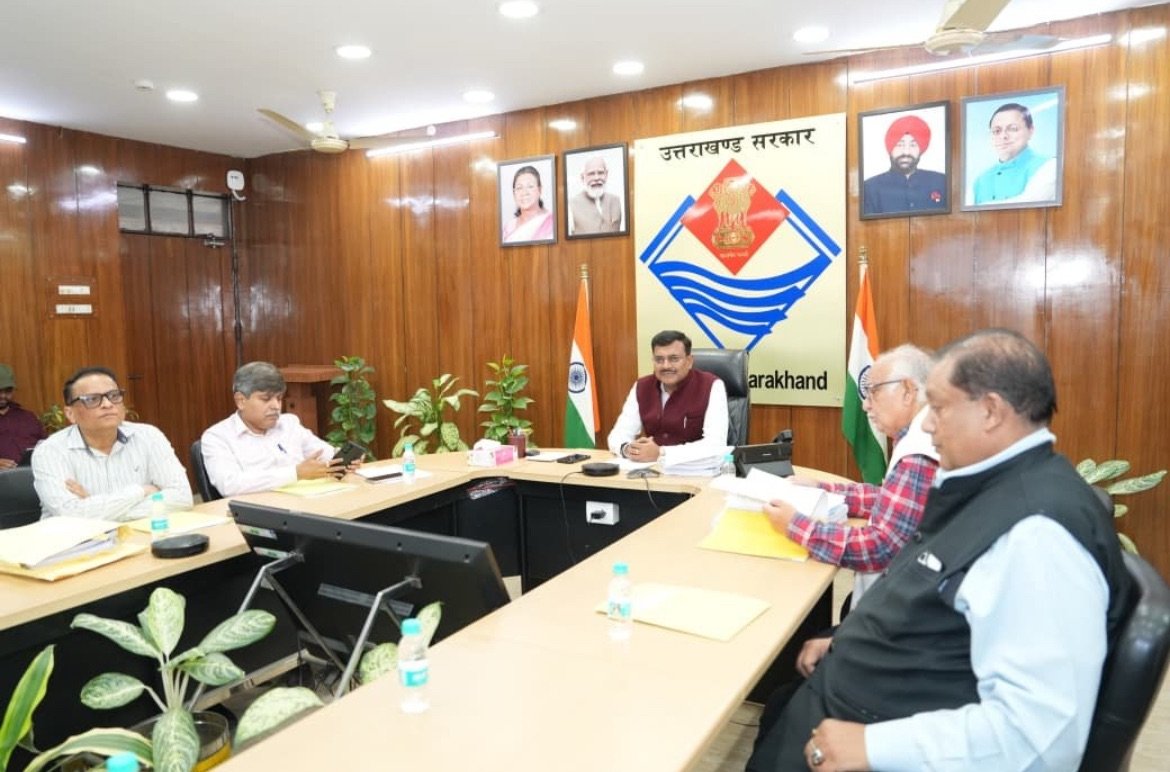
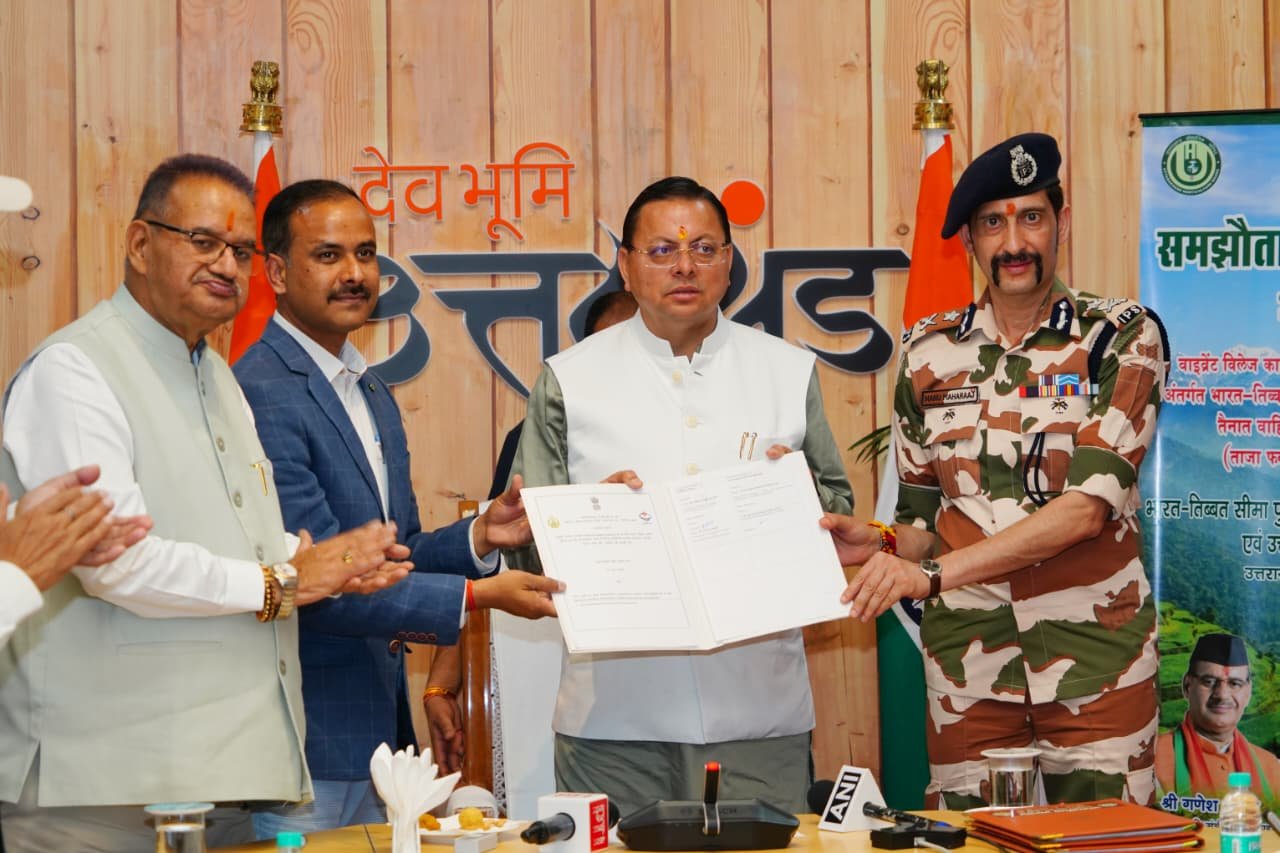
In the presence of Chief Minister Pushkar Singh Dhami, the Uttarakhand Horticulture Council and the Indo-Tibetan Border Police formally signed the agreement under the Vibrant Village Programme. The terms are straightforward — ITBP battalions stationed across Uttarakhand will now source fresh fruits and vegetables directly from local farmers in the state’s border districts, cutting out the long and often exploitative chain of middlemen that has kept hill farmers underpaid for generations.
What This Deal Actually Means on the Ground
Strip away the official language and what you have is a remarkably sensible arrangement. The ITBP has a standing, predictable demand for fresh produce. Uttarakhand’s border farmers have supply but no guaranteed demand. Put the two together with a formal agreement and a structured supply chain, and both sides gain something they genuinely needed.
Chief Minister Dhami put it plainly at the ceremony — the jawans will get food that is fresh, locally grown and nutritious, and the farmers will finally have a buyer who pays a fair price and comes back every season. He called it the state government’s ‘Vocal for Local’ philosophy moving from words to action — which, given how often that phrase gets used without much to show for it, is a distinction worth making.
The Districts That Stand to Gain the Most
The agreement covers Chamoli, Uttarkashi, Pithoragarh and Champawat — four districts that sit at the very edge of the map, where roads are few, mobile networks are patchy and the nearest wholesale market can be an entire day’s journey away. Dehradun has also been included in the supply network. For farmers in these areas, finding a consistent buyer has always been the hardest part of the job — harder, sometimes, than the farming itself. That changes now, at least for those who plug into this supply chain.
The Numbers Make a Strong Case
This is not a new experiment being tried for the first time. A procurement arrangement between ITBP and the Uttarakhand government was already in place under the Vibrant Village Programme, and the track record is solid. ITBP has so far bought local produce worth Rs 14.77 crore from farmers in the state — real money that went into real pockets without passing through several layers of commission agents first. With this fresh MoU, that figure is expected to grow. The projection is telling: if ITBP commits just a quarter of its annual fruit and vegetable requirement to local sourcing, farmers across these districts could collectively earn close to Rs 6 crore every year — consistently, reliably, season after season.
Who Was There
Agriculture and Farmer Welfare Minister Ganesh Joshi, Agriculture Secretary S.N. Pandey, IG ITBP Manu Maharaj, Additional Secretary Anand Srivastava, Director Horticulture S.L. Semwal, Uttarakhand Horticulture Council CEO Narendra Kumar Yadav and several senior ITBP officials were present at the signing.
Some agreements exist mostly on paper. This one has a fighting chance of actually working — because the need on both sides is real, the supply chain is short, and the numbers add up. Whether it delivers on that promise depends on how seriously both parties follow through once the cameras are gone and the paperwork is filed. But as starting points go, this is a better one than most.